
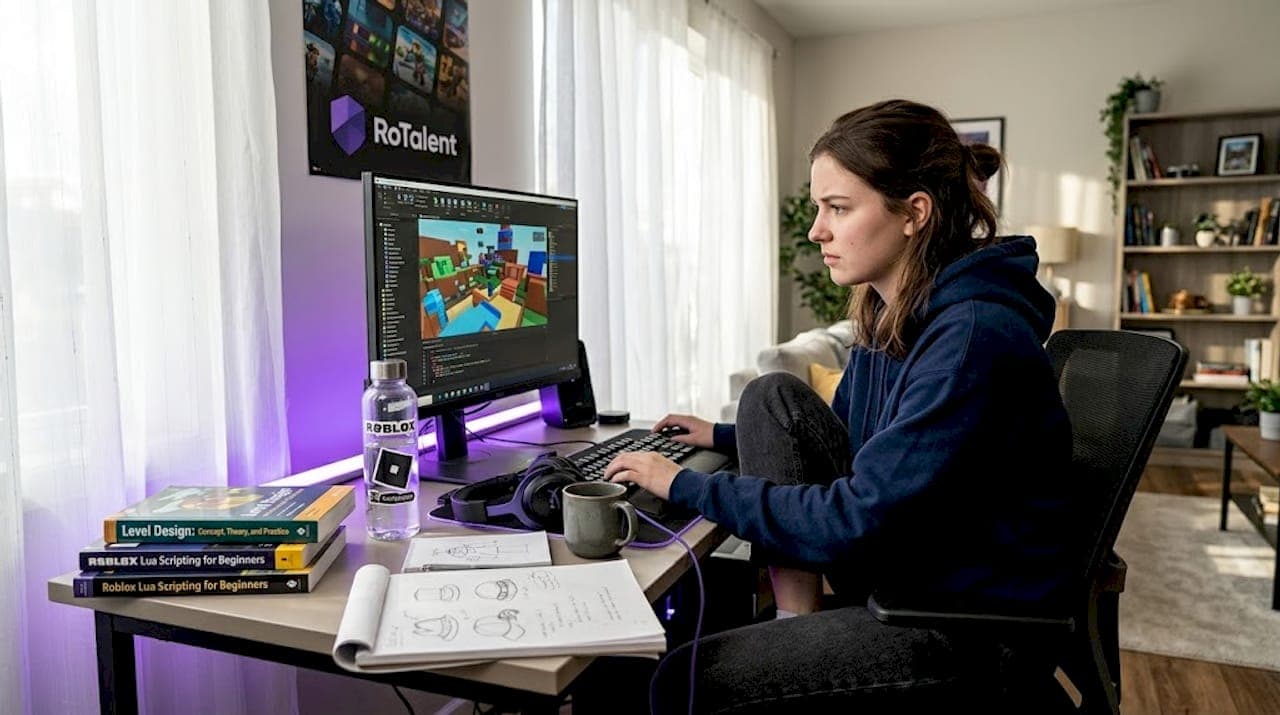
User-generated content (UGC) is one of the most powerful tools in a Roblox developer's arsenal, but managing it well is harder than it looks. Between quality control, moderation, monetization, and community trust, there's a lot that can go wrong fast. This guide breaks down proven best practices for 2026, from creating standout UGC to smart moderation and monetization strategies. Whether you're a solo developer or managing a full team, these strategies will help you get more out of your community's creativity while keeping your game safe and engaging.
Table of Contents
- Why UGC matters for Roblox game success
- Key criteria for high-quality Roblox UGC
- Best moderation and safety practices for UGC
- Maximizing engagement and monetization from UGC
- Comparing UGC strategies: Which is best for your Roblox project?
- Perspective: The real secret to sustainable UGC success on Roblox
- Level-up your Roblox UGC with professional talent
- Frequently asked questions
Key Takeaways
| Point | Details |
|---|---|
| UGC drives engagement | Roblox UGC transforms players into loyal, creative contributors, boosting community and retention. |
| Quality and moderation matter | Curation, clear guidelines, and robust moderation tools protect your users and strengthen your brand. |
| Monetize smartly | Blend fair pricing, trending designs, and incentive events to maximize both earnings and player satisfaction. |
| Adapt to trends | Stay ahead by leveraging 2026’s top UGC trends like AI tools and branded collabs for fresh experiences. |
| Foster sustainable growth | Building trust and supporting new creators leads to ongoing innovation and long-term success. |
Why UGC matters for Roblox game success
UGC in Roblox is not just a nice feature. It's a core part of how the platform works and how games grow. UGC primarily refers to user-created 3D avatar accessories, clothing, and items uploaded to the Avatar Shop by approved creators, enabling monetization through sales. That means your players are not just consuming your game. They're actively building its economy and culture.
When players see items created by real community members, it builds a sense of authenticity that developer-only content simply cannot replicate. Players trust other players. A hat or shirt made by someone in the community feels personal. It sparks conversation, drives discovery, and keeps people coming back to see what's new.
Here's why UGC matters specifically for game success:
- Community ownership: Players who create content feel invested in your game's success
- Organic marketing: Unique UGC items get shared on social media, bringing new players in
- Monetization potential: Creators earn Robux, which benefits the broader ecosystem
- Content volume: UGC scales your catalog far beyond what your team alone could produce
- Trend responsiveness: Community creators often respond to trends faster than developers
That said, UGC is not without risk. UGC boosts authenticity and engagement but risks low quality, policy violations, and moderation delays. Unchecked UGC can flood your game with low-effort items, inappropriate designs, or content that breaks Roblox's terms of service. Over-commercialization is another real danger. When every interaction feels like a sales push, players disengage.
The best UGC ecosystems balance creative freedom with clear boundaries. Give creators room to express themselves, but set the guardrails that protect your player base.
Finding that balance is what separates thriving games from ones that burn out their community. You can explore Roblox freelance opportunities to find experienced creators who already understand how to work within those boundaries effectively.
Now that the role of UGC is clear, let's dive into essential criteria for creating standout content.
Key criteria for high-quality Roblox UGC
Not all UGC is created equal. If you want your game's UGC ecosystem to thrive, you need to set clear standards for what good content looks like. Avoid copying designs, poor scaling or clipping, overpricing, spammy tags, high-poly models causing lag, and failing to test on mobile and desktop. These are the most common reasons UGC gets rejected or ignored by players.
Here's what high-quality Roblox UGC actually looks like:
- Originality: The design must be unique. Copying existing items, even slightly, is grounds for rejection and damages creator reputation
- Technical quality: Models should have low polygon counts to avoid performance issues, especially on mobile devices
- Proper scaling: Items must fit avatars correctly without clipping through body parts or floating awkwardly
- Accurate descriptions and tags: Tags should describe the item honestly. Spammy or misleading tags get flagged and hurt discoverability
- Appropriate pricing: Overpriced items rarely sell. Starting lower and building a reputation is a smarter strategy for new creators
- Cross-device compatibility: Your item needs to look and function correctly on both mobile and desktop, since Roblox's player base spans both
Technical quality is often where newer creators stumble. A visually impressive design can still fail if the polygon count is too high, causing frame rate drops for players using lower-end devices. Always optimize your models before uploading.
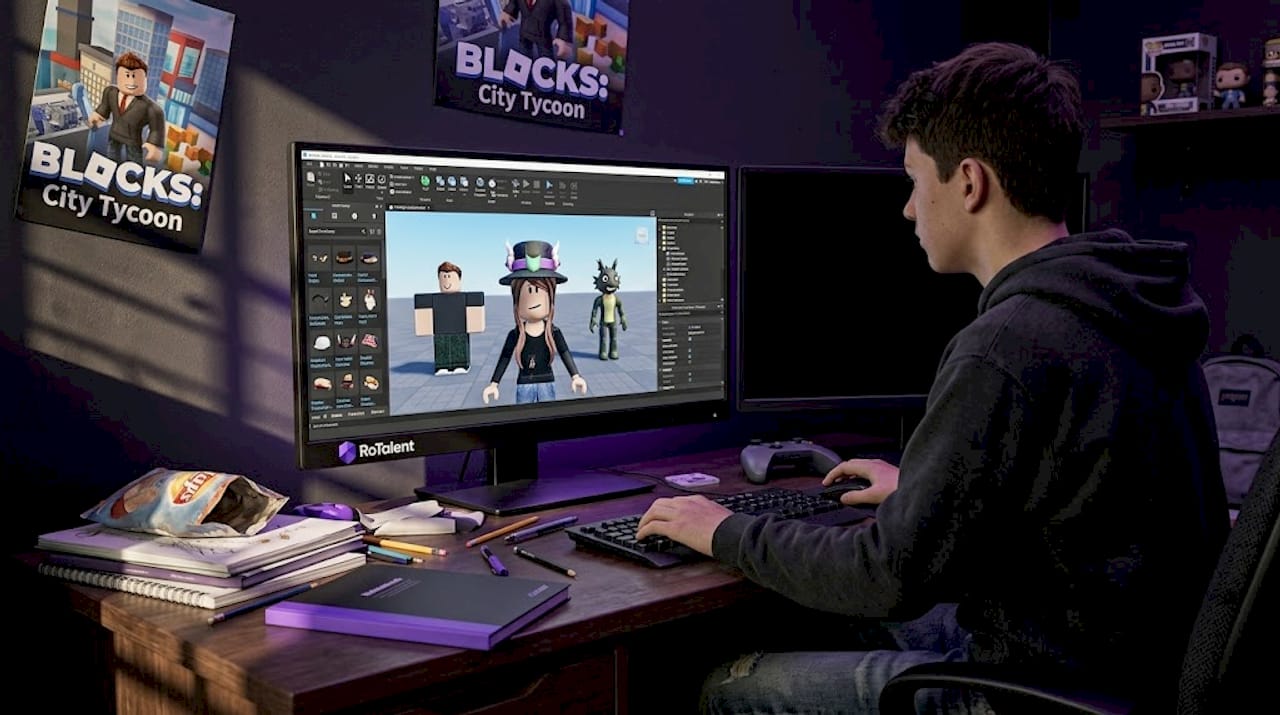
Descriptions matter more than most creators realize. A clear, honest description helps players find your item and sets accurate expectations. Misleading descriptions frustrate buyers and generate negative reviews, which hurt your long-term earning from UGC sales.
Pro Tip: Before submitting any UGC item, test it in Studio on at least three different avatar body types. Scaling issues that look fine on one body type can look completely broken on another.
Moderation is the final filter. Roblox's moderation team reviews all UGC submissions and will reject anything that violates community standards. Understanding those standards before you create saves time and builds a track record of successful submissions.
With these criteria in mind, you're ready to put them into practice, starting with effective moderation.
Best moderation and safety practices for UGC
Moderation is not optional. It's the foundation of a safe, trustworthy game environment. Without it, low-quality or inappropriate UGC can damage your game's reputation and drive players away, sometimes permanently.
Community moderation is essential: curate and highlight the best UGC to build trust, and use tools like WebPurify for live chat and UGC safety in games. WebPurify, for example, can scan user-submitted content in real time, flagging inappropriate text, images, and items before they go live. That kind of automated support is valuable when your game scales and manual review becomes impractical.
Here's a comparison of manual versus automated moderation approaches:
| Feature | Manual moderation | Automated moderation |
|---|---|---|
| Accuracy | High for nuanced content | High for rule-based violations |
| Speed | Slow, especially at scale | Near-instant |
| Cost | Higher (requires staff time) | Lower at scale |
| Best for | Edge cases, community disputes | Volume filtering, live chat |
| Limitations | Does not scale well | May miss context or nuance |
Most successful games use both. Automated tools handle the volume, while human moderators review flagged items and make final calls on edge cases.
Beyond tools, your moderation policy itself needs to be transparent. Players and creators should know exactly what is and is not allowed. Publish clear community guidelines. Explain why items get rejected. When creators understand the rules, they produce better content and feel respected by the process.
Pro Tip: Create a public-facing moderation FAQ for your game. It reduces repeat questions, sets expectations, and signals to your community that you take safety seriously.
Highlighting great UGC is just as important as removing bad content. Feature standout items in your game's store or on your social channels. This rewards quality creators, motivates others to improve, and shows players that the community is producing content worth their attention.
After securing a safe, welcoming environment, the next step is to maximize the benefits and returns from high-quality UGC.
Maximizing engagement and monetization from UGC
Great UGC does more than fill your Avatar Shop. It drives engagement, rewards loyal players, and generates real revenue. The key is being strategic about how you deploy it.
Creators earn Robux from sales through DevEx, convertible to real money, with fair pricing starting low. Games can also use free UGC rewards for engagement without direct costs. That last point is huge. Offering free limited UGC items during events is one of the most effective engagement tools available to Roblox developers.
Here's how to build a strong UGC engagement and monetization strategy:
- Tie UGC drops to in-game events. Release exclusive items during seasonal events or milestones. Scarcity and timing drive urgency and player activity.
- Run UGC design contests. Invite your community to submit designs. Winners get their item published. This generates content, buzz, and deep community investment.
- Use free items as onboarding tools. Give new players a free UGC item when they join. It creates an immediate emotional connection to your game.
- Price strategically. New creators should start low to build sales history and reviews. Established creators can command higher prices with a strong portfolio.
- Align with 2026 trends. AI-assisted creation accounts for 60% of items in 2026, alongside dynamic heads, makeup layers, and brand collaborations. Aligning your game's UGC themes with these trends drives organic discovery.
Here's a quick look at how different monetization approaches perform:
| Strategy | Engagement impact | Revenue potential | Effort level |
|---|---|---|---|
| Free event UGC drops | Very high | Low (indirect) | Medium |
| Paid limited items | High | High | Medium |
| UGC design contests | Very high | Medium | High |
| Brand collaborations | High | Very high | High |
| Ongoing catalog sales | Medium | Medium | Low |
The most effective approach combines multiple strategies. Use free items to build community loyalty, paid items to generate direct revenue, and contests to keep your creator community active and motivated. Explore game monetization tips to find creators who can help you execute these strategies at a professional level.
With strategies in place for engagement and monetization, let's compare best practice approaches for different UGC goals.
Comparing UGC strategies: Which is best for your Roblox project?
There is no single right approach to UGC. The best strategy depends on your game's genre, audience age, and business goals. Understanding the tradeoffs helps you make smarter decisions.
| Model | Best for | Benefits | Drawbacks |
|---|---|---|---|
| Creator-driven (open) | Large, active communities | High volume, organic creativity | Quality control challenges |
| Developer-curated | Smaller or younger audiences | Consistent quality, brand control | Limited content volume |
| Contest-driven | Community-building phases | High engagement, community pride | Time-intensive to manage |
| Paid partnerships | Established games with budgets | Premium quality, brand visibility | High cost, less community feel |
UGC can alienate players if over-commercialized. Balancing guidelines is important for healthy, collaborative communities. This is especially true for games with younger audiences, where aggressive monetization can quickly turn players and parents off.
Here's how to match your strategy to your situation:
- New game, small team: Start with developer-curated UGC to maintain quality, then open it up as your community grows
- Established game with active players: Run contests and open creator programs to reward loyalty and scale content
- Game targeting younger players: Prioritize free and low-cost items, with strict moderation and simple guidelines
- Game with brand partnerships: Use paid collaborations for flagship items, and community UGC for everyday catalog content
The open model gives you volume and creativity. The curated model gives you control and consistency. Most successful games land somewhere in the middle, using curation to set the standard and opening up gradually as their creator community matures.
Whichever model you choose, revisit it regularly. What works at 1,000 players may not work at 100,000. Your UGC strategy should grow with your game.
Now let's step back and share the broader lessons developers and managers need to hear.
Perspective: The real secret to sustainable UGC success on Roblox
Most developers focus on the technical side of UGC: polygon counts, moderation tools, pricing tiers. Those things matter. But the developers who build truly lasting UGC ecosystems are focused on something different. They're building trust.
Trust is what makes a creator submit their best work instead of their quickest work. Trust is what makes a player spend Robux on a community-made item instead of scrolling past it. And trust is what keeps your community growing when trends shift and competitors launch new games.
The most overlooked strategy in UGC management is consistent, genuine recognition of your creators. Feature their work. Give them feedback when submissions get rejected. Create pathways for new creators to grow their skills and visibility. When creators feel valued, they invest more. That investment shows up in better content, more active community participation, and organic word-of-mouth promotion.
Focusing only on monetization or chasing the latest trend is shortsighted. The games that win long-term are the ones where players and creators feel like genuine partners, not just revenue sources. Start hiring expert creators who share that community-first mindset, and you'll build something that lasts.
Level-up your Roblox UGC with professional talent
Building a strong UGC strategy takes more than good intentions. It takes skilled people who know the platform inside and out.
At Rotalent.io, you can find Roblox creators who specialize in UGC design, moderation support, scripting, and more. Whether you need a single item creator or a full team to manage your game's content pipeline, the platform connects you with verified professionals fast. Post a job, browse portfolios, and hire with confidence. Secure payments and transparent reviews mean you always know what you're getting. Stop guessing and start building with the right talent behind you.
Frequently asked questions
How does UGC help grow a Roblox game's community?
UGC enables players to express creativity and builds authentic engagement, making them more invested in your game. Authentic community content drives stronger long-term loyalty than developer-only content.
What are the biggest mistakes Roblox UGC creators make?
Common mistakes include copying designs, poor scaling, overpricing, and failing moderation for policy violations. Avoiding spammy tags and high-poly models is equally critical for consistent approval and sales.
How do developers monetize UGC in Roblox games?
Developers monetize by selling UGC in the Avatar Shop, earning Robux that can be converted to real money through DevEx. Free UGC rewards also drive engagement without requiring direct player spending.
What moderation tools can help keep Roblox UGC safe?
Moderation tools like WebPurify can scan and curate both live chat and in-game UGC to ensure safety and compliance. Combining automated tools with manual review gives you the best coverage at scale.
What are the top UGC trends in Roblox for 2026?
Top trends include AI-assisted content, dynamic avatar heads and makeup, and branded collaborations. Aligning game themes with trending UGC helps your content get discovered organically across the platform.